Forgotten on Purpose: The Sneaky Way Streaming Platforms Profit From Your Password Chaos
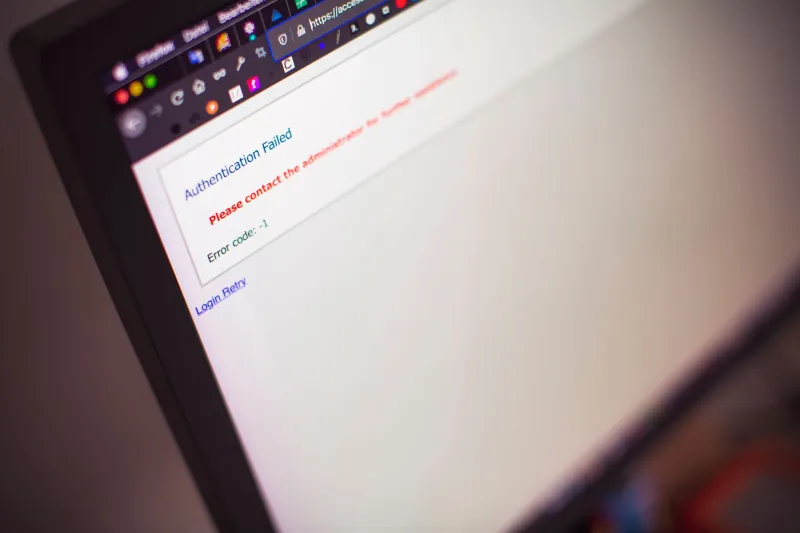
Picture this: It's a Friday night, you've got snacks, you're ready to watch that documentary everyone keeps talking about. You pull up the streaming app you think you subscribed to six months ago, and then — nothing. Blank stare. You cannot for the life of you remember your login. Was it your Gmail? Your old Yahoo address? Did you use your Facebook account to sign up? Is the password the one with the exclamation point or the dollar sign?
You click "Forgot Password." An email never arrives. You try again. Still nothing. You check spam. You check promotions. You eventually give up and either re-subscribe with a new email address or just scroll Netflix for the hundredth time.
Here's the uncomfortable question nobody in the streaming industry seems eager to answer: Was any of that friction an accident?
The Password Graveyard Is Real — And It's Massive
Americans are juggling an average of five to seven streaming subscriptions at any given time, according to recent consumer surveys. That's five to seven sets of login credentials, often spread across multiple email addresses, family members' accounts, and devices that don't always sync up. The mental overhead alone is exhausting.
And streaming platforms know this. They have entire teams of UX researchers and behavioral data analysts who study exactly how users interact — and fail to interact — with their login flows. The idea that a multi-billion-dollar company simply forgot to make password recovery work smoothly strains credulity.
So what's actually happening here?
Dark Patterns 101: When Friction Is a Feature
In the design world, a "dark pattern" is any interface choice that subtly nudges users toward a behavior that benefits the company rather than the user. You've probably encountered them everywhere — the newsletter unsubscribe button that's three menus deep, the free trial that auto-renews without a reminder, the cancellation page that makes you feel like you're abandoning a dying puppy.
Streaming login friction fits neatly into this category. When a user can't recover their account, a few things can happen — and most of them benefit the platform:
They re-subscribe. New account, new billing cycle, possibly at a higher price tier than the original. The platform picks up revenue it might have otherwise lost if the user had simply canceled.
They stay subscribed without watching. This is the golden scenario for streaming companies. A user who forgot they even have an account isn't canceling that account. They're quietly funding the platform's subscriber count every month without consuming any bandwidth or content licensing costs.
They give up and come back later. When that person eventually figures out their login — maybe after a customer service call — they've already spent another billing cycle or two paying for access they weren't using.
None of this requires a mustache-twirling villain in a boardroom. It just requires a company to quietly deprioritize the parts of their product that help users leave or pause their relationship with the service.
The "Subscriber Count" Problem
Here's the financial mechanic that makes this all click into place. Streaming platforms live and die by their subscriber numbers. Wall Street watches monthly active subscribers the way sports fans watch win-loss records. A drop in subs can tank a stock price overnight.
This creates a structural incentive to keep subscriber counts padded — even if those subscribers aren't actively engaged. A forgotten account is still a counted account. A user who hasn't logged in for four months is still technically a subscriber if they haven't canceled.
Some platforms have gotten more transparent about distinguishing "paid subscribers" from "active users," but the pressure to show growth means that friction-heavy offboarding processes remain quietly in place. Making it easy to pause, cancel, or recover an old account would be the right thing to do for users. It would also accelerate churn. Those two facts exist in direct tension, and most platforms have chosen a side.
The Email Address Trap
One specific pain point worth calling out: the email address problem. Many Americans have changed their primary email at least once in the past decade — old AOL addresses, abandoned work emails, college accounts that expired. Streaming services often lock account recovery entirely to the original sign-up email, with no secondary recovery option.
That's a design choice. A deliberate one. Offering phone number recovery, security questions, or identity verification through a credit card on file are all technically feasible options that dozens of other industries use routinely. Banks do it. Airlines do it. Your gym's app does it. But streaming platforms — which have your payment information, your watch history, your device fingerprints, and in many cases your physical address — somehow can't verify who you are without that original email.
Convenient, isn't it?
What Legitimate Friction Looks Like
To be fair, not every piece of account security friction is malicious. Two-factor authentication, login attempt limits, and suspicious activity flags are genuinely protective measures. The streaming industry has real problems with credential stuffing attacks and account takeovers, and some of that friction exists to protect users from actual bad actors.
The difference is intent and design. Security friction should be easy to navigate for the real account owner while being hard for an attacker. Dark pattern friction is the opposite — it's hard for the real user and does little to stop sophisticated attackers who already have your credentials from a data breach.
When a platform makes it genuinely difficult to prove you own your own account, that's not security design. That's retention design wearing a security costume.
What You Can Actually Do About It
If you're tired of losing track of your streaming accounts, a few practical habits can help. A dedicated password manager — something like Bitwarden, 1Password, or even the one built into your browser — can eliminate the guessing game entirely. Using a single, consistent email address for all entertainment subscriptions also helps cut through the chaos.
It's also worth doing a quarterly audit of your subscriptions. Check your bank or credit card statements for recurring charges from streaming platforms. You might be surprised how many services are quietly billing you for accounts you haven't touched in months.
And if you find yourself locked out of an account with a recurring charge? Call customer service directly and push for a refund on unused months. Platforms won't volunteer that option, but many will honor it when pressed — especially if you can verify your identity through payment information.
The Bigger Picture
The streaming industry is still relatively young, but it's already developed some habits that deserve more scrutiny than they typically get. Password friction might seem like a minor annoyance — and compared to some of the bigger issues facing digital media, maybe it is. But it's also a window into how these platforms think about their relationship with subscribers.
The question worth sitting with isn't just "why can't I remember my password?" It's "why didn't they make it easier for me to find out?"
At Cima7, we think the best streaming experience is one where you're watching because you want to be there — not because you forgot you were paying.