Forget Netflix: The Indie Creators Quietly Building a Better Streaming World
For a while there, it felt like streaming was going to save us all. No more network gatekeepers. No more focus groups deciding whether your favorite show was "too niche." Just pure, unfiltered content delivered straight to your couch. Then the consolidation happened. The mergers. The layoffs. The algorithmic content factories churning out shows that feel like they were assembled by committee — because, honestly, a lot of them were.
But here's what the headlines about struggling streaming giants keep missing: while the big players are busy cannibalizing each other, something genuinely exciting is happening at the edges. Independent creators and micro-studios are quietly building a parallel entertainment ecosystem, and it's starting to look a lot more interesting than anything coming out of Burbank.
The Old Studio Playbook Is Falling Apart
Let's be real about what's going on at the top of the food chain. After years of throwing billions at content to win the streaming wars, the major platforms are pulling back hard. Netflix has tightened its spending criteria. Warner Bros. Discovery has become almost infamous for shelving completed projects. Disney has reorganized its streaming strategy more times than most people change their Netflix password.
The result? A creative environment that's increasingly risk-averse. When a platform needs a show to perform globally, immediately, and at scale, the safest bet is always going to be the familiar — franchise extensions, reboots, reality competition formats that have already proven themselves in seventeen other countries. Original voices with genuinely strange ideas tend to get filtered out early.
That's the gap indie creators are walking straight through.
Going Direct: More Than Just YouTube
When most people think about independent online content, they picture YouTube vloggers or Twitch streamers. And sure, those platforms have launched real careers. But the new wave of indie entertainment is operating at a different level entirely.
Creators and small production teams are now building their own subscription platforms — tight, curated streaming services aimed at specific audiences who are genuinely hungry for something the big players won't give them. Think horror fans who want actual scares, not PG-13 jump cuts. Documentary lovers who want investigative depth, not true crime procedurals recycled for the fifth season. Animation enthusiasts who want adult storytelling that isn't just crude jokes with a cartoon wrapper.
Platforms like Dropout (formerly College Humor's streaming arm) have shown that a loyal niche audience will absolutely pay for content that speaks directly to them. Dropout built a subscriber base around long-form improv, game shows, and comedy content with a specific sensibility — and it works because it's not trying to be everything to everyone. Shudder did something similar for horror, carving out a dedicated space that the major platforms couldn't replicate even if they wanted to.
These aren't flukes. They're proof of concept.
The Micro-Studio Model Is Real Now
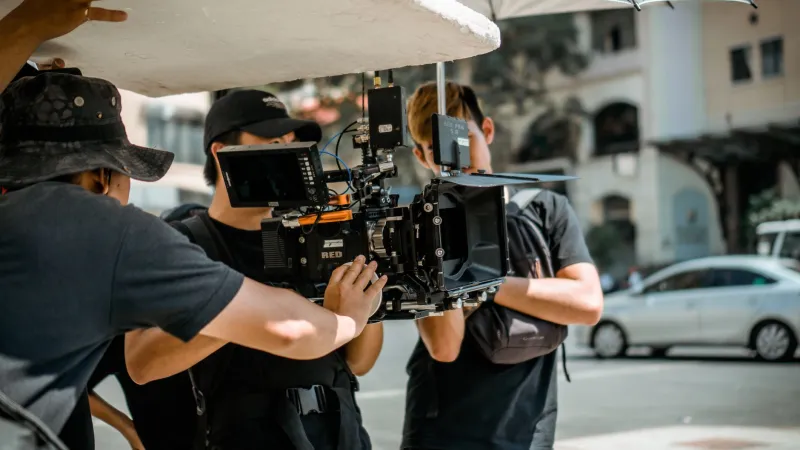
Beyond subscription platforms, a new kind of production entity is emerging — the micro-studio. These are small, often creator-led teams that produce professional-quality content without the overhead (or creative interference) of a traditional production house.
Advances in production technology have made this possible in ways that simply weren't realistic ten years ago. Camera equipment that once cost six figures is now accessible for a fraction of that. Post-production software has democratized editing and visual effects. And distribution? You can get your work in front of a global audience without a single meeting in a Hollywood conference room.
Creators like Corridor Crew have built genuine media companies around YouTube, producing content that rivals network production values while maintaining complete editorial independence. On the scripted side, indie filmmakers are self-distributing features directly through platforms like Vimeo On Demand or their own Patreon-backed release strategies, bypassing traditional theatrical and streaming gatekeepers entirely.
The economics are different, but they're not necessarily worse. A show that costs $200,000 to make and attracts 50,000 dedicated subscribers paying $8 a month is a financially viable operation — one that doesn't require a streaming giant's approval and doesn't live or die by a quarterly earnings report.
What This Means for You, the Viewer
If you've been feeling that vague dissatisfaction with your streaming queue lately — the sense that there's technically a lot to watch but nothing you actually want to watch — this shift matters for you personally.
The indie streaming world is messier and more fragmented than the clean interface of a major platform. You might have to seek things out a little more actively. You might end up supporting a creator directly on Patreon or subscribing to a platform you've never heard of. That's a different kind of viewing habit than just opening Netflix and scrolling until something grabs you.
But what you get in return is content that was made because someone genuinely wanted to make it — not because an algorithm identified a content gap in the 18-34 demographic. There's a texture to that kind of storytelling that's hard to fake, and audiences are increasingly tuning in to the difference.
The Decentralized Future Isn't Coming — It's Already Here
The narrative around streaming tends to focus on the giants: who's winning the subscriber race, which platform is spending the most on content, whether the bundle is back or dead or somewhere in between. That's a reasonable story to follow. But it's not the only story.
The more interesting long-term shift might be the slow fragmentation of the entertainment landscape into something that looks less like a handful of dominant platforms and more like a diverse, decentralized ecosystem — one where passionate creators can build sustainable careers without ever pitching to a studio executive.
That's a future where the best content doesn't necessarily come from the biggest company. Where a team of five people with a specific creative vision can find their specific audience and build something real. Where "bold" isn't just a marketing tagline — it's actually what gets made.
At Cima7, we're here for that version of streaming. The one where the content is actually worth streaming boldly toward.
Keep your eyes open. The most exciting stuff right now isn't on the home screen of your biggest subscription. It's a little further out — and it's absolutely worth finding.