Why Your Watch List Keeps Falling Apart: The Studio Power Grab Reshaping Streaming Forever
That Movie Didn't Just Disappear — It Was Taken
You know the feeling. You've been meaning to rewatch a classic, or you've got three episodes left in a film series you started two months ago, and then — poof. Gone. No warning, no farewell message, just a cold "title not available" where your movie used to live.
This isn't a glitch. It's not your account acting up. What you're experiencing is the downstream effect of a massive, ongoing battle between the studios that own content and the platforms that pay to stream it. And right now, that battle is heating up in ways that are going to keep reshaping your viewing experience for years to come.
At Cima7, we think you deserve to understand what's actually going on behind the curtain — because once you do, you'll never look at your watch list the same way again.
The Licensing Game Nobody Explains to You
Here's the thing most casual streamers don't realize: when Netflix, Hulu, or Max puts a movie on their platform, they don't own it. They're renting it. Studios negotiate licensing deals that grant platforms the right to stream specific titles for a fixed window — sometimes a year, sometimes three, sometimes just a few months.
When those deals expire, platforms have a choice: renegotiate (usually at a higher price), let the title walk, or sometimes they simply can't renew because the studio has pulled the content back entirely. That last scenario is becoming increasingly common — and it's the one that's really scrambling your queue.
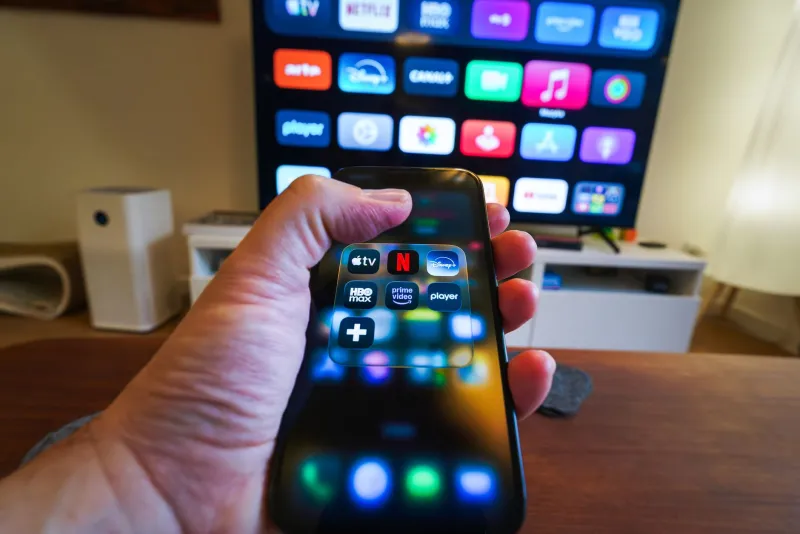
Why would a studio pull content from a profitable deal? Because they've decided their own streaming service is worth more than the licensing fee they'd collect from someone else. Disney did it with Disney+. Warner Bros. did it with Max. Paramount did it with Paramount+. NBCUniversal did it with Peacock. The domino effect of major studios reclaiming their libraries has fundamentally changed the streaming landscape, turning what used to feel like one big buffet into a fragmented collection of competing restaurants — each one holding certain dishes hostage.
Follow the Money
Let's be real about the math here. A studio can license a movie to Netflix and collect a flat fee. Or it can put that same movie on its own platform, use it to drive subscriptions, collect monthly recurring revenue, sell ads around it, and retain full control over how and where it appears. From a pure business standpoint, keeping your content in-house is almost always the better long-term play — assuming your platform can survive long enough to see the returns.
That's the gamble studios are making. They're betting that pulling their titles from established platforms and funneling them into their own ecosystems will build subscriber loyalty fast enough to justify the short-term revenue loss from expired licensing deals. Sometimes it works. Sometimes it results in a service that quietly folds two years later, leaving fans with nothing.
In the meantime, you're the one refreshing your watch list and wondering where half of it went.
The Revolving Door of Content
What makes this especially frustrating for everyday viewers is the lack of transparency. Streaming platforms are not legally required to give you advance notice when a title is leaving. Some services — Netflix being the most notable — have started voluntarily displaying "leaving soon" warnings on certain titles. But that notification window is often just a few weeks, and it doesn't cover everything that's about to disappear.
Smaller licensing deals, regional rights variations, and last-minute renegotiations mean that content can vanish with almost no warning at all. A movie that was available Monday morning might be gone by Thursday night. It's a system designed around business timelines, not viewer convenience.
And the musical chairs don't stop there. Content that leaves one platform often reappears on another — sometimes on a competitor, sometimes on a free ad-supported service (FAST channels like Tubi, Pluto TV, or Peacock's free tier have become dumping grounds for content that couldn't get a premium deal), and sometimes it just... disappears into a licensing void for months or years before surfacing again.
How to Stay Ahead of the Disappearing Act
Okay, so the system is chaotic and not built with your convenience in mind. That doesn't mean you're powerless. There are actual strategies that can help you stop losing content before you get the chance to watch it.
Use a dedicated tracking tool. JustWatch is the most popular option for US viewers, and it's genuinely useful. It aggregates streaming availability across platforms and — critically — it flags when titles are scheduled to leave. Set up a watchlist there and you'll get a heads-up before your must-watches vanish.
Check expiration dates before you queue. When you add something to your list on a platform like Netflix or Hulu, look for any "leaving" labels. If a title is marked as departing soon, bump it up in your priority queue immediately. Don't assume it'll still be there in two weeks.
Follow the studio calendars. Major studios like Disney, Warner Bros., and Paramount tend to announce content moves in advance when they're reclaiming titles for their own platforms. Following entertainment news sites (hi, we're right here) means you'll often hear about big content migrations weeks before they happen.
Don't sleep on free platforms. When something leaves a paid service, there's a decent chance it ends up on Tubi, Pluto TV, or the Peacock free tier within a few months. Before you assume a title is gone forever, check those options. You might find it waiting for you — just with a few more ads.
Download while you can. Some platforms allow offline downloads for subscribers. If you're partway through something and you see a "leaving soon" warning, download the remaining episodes or film to your device before the window closes. It's not a permanent solution, but it buys you time.
The Bigger Picture
The content exodus isn't slowing down — it's accelerating. As more studios double down on their own platforms and licensing windows get shorter and more volatile, the fragmentation problem is only going to get messier. The dream of one or two subscriptions covering everything you want to watch is further away now than it was five years ago.
What we're living through is essentially the rebundling of television — just with more logos, more passwords, and way more confusion about where anything actually lives. The studios want you locked into their ecosystem. The platforms want you subscribed and engaged. And somewhere in the middle, your watch list is just trying to survive.
Stream bold, watch smart — and maybe check JustWatch before you make Friday night plans.