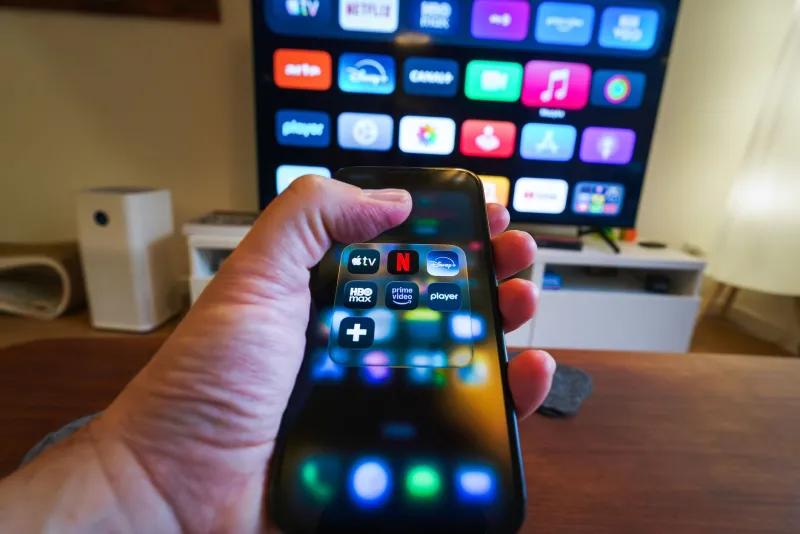
Subscription Creep: How Streaming Platforms Are Charging More While Quietly Delivering Less
Remember when Netflix felt like the greatest deal in the history of entertainment? Twelve bucks a month, unlimited everything, new shows dropping constantly — it felt almost too good to be true. Spoiler: it kind of was.
Fast forward to today and that same Netflix account will run you anywhere from $15.49 to $22.99 a month depending on your plan. Meanwhile, the flood of original content that made the platform feel essential has slowed to something closer to a trickle. You're not imagining it. The math just doesn't work the way it used to, and streaming platforms are counting on you not noticing.
The Price Hike Nobody Really Talked About
Between 2019 and 2024, the average cost of a major streaming subscription in the US increased by roughly 25 to 50 percent depending on the platform. Netflix, Hulu, Disney+, Max — all of them have bumped their prices at least once, and some have done it multiple times. Disney+ launched in late 2019 at $6.99 a month. The ad-free version now sits at $13.99. That's a 100 percent price increase in under five years.
None of these hikes happened in a vacuum. Platforms announced them with the usual corporate language about "investing in quality content" and "delivering more value." But here's the thing — the content output hasn't kept pace with those price increases. Not even close.
Original Content Is Being Quietly Dialed Back
At the peak of the streaming wars around 2021 and 2022, platforms were throwing money at original programming like it was going out of style. Netflix alone was spending north of $17 billion annually on content. The goal was simple: flood the zone, build loyalty, and make canceling feel impossible.
That era is over.
Wall Street started asking uncomfortable questions about profitability, and suddenly the content spigot got tightened. Netflix has openly shifted its focus toward fewer, bigger bets. Other platforms followed suit. The result is a landscape where you're seeing more reality TV, more licensed library content, and fewer of the prestige dramas and original comedies that made streaming feel like must-watch television in the first place.
Production budgets have also been squeezed in less visible ways. Some shows that would have gotten 10-episode seasons a few years ago are now being greenlit with six or eight episodes. Limited series have become the go-to format because they're cheaper to produce and easier to market as events. When a show does get renewed, seasons are spaced further apart — sometimes 18 months to two years between installments — which lets platforms claim active original programming while actually producing less of it per year.
The Shrinkflation Playbook, Streaming Edition
Shrinkflation is the consumer goods industry's favorite trick: keep the price the same or raise it slightly while quietly reducing the size or quantity of what you're selling. The bag of chips costs $4.99 just like it always did, but now there are fewer chips inside.
Streaming platforms have essentially borrowed this playbook. The subscription price goes up. The volume of new original content goes down. The seasons get shorter. The gaps between seasons get longer. And the overall library gets padded with older licensed content that costs a fraction of what originals do.
What makes this particularly effective — and frustrating — is how gradual it is. No single change feels dramatic enough to cancel over. Prices go up by two or three dollars. One show gets a shorter season. Another show takes longer to come back. Individually, none of it is a dealbreaker. Collectively, it represents a significant shift in what your subscription dollar actually buys.
Doing the Math Nobody Wants to Do
Let's put some rough numbers to this. In 2019, a Netflix subscriber paying around $12 a month had access to a platform releasing dozens of original series, films, and specials every single month. In 2024, a subscriber paying $15.49 for the standard plan (or $22.99 for premium) is getting fewer originals, shorter seasons, and a heavier reliance on content that was originally made for other networks and studios.
If you're subscribed to three or four platforms — which the average American household is — you could easily be spending $60 to $80 a month on streaming. Five years ago, that same household might have been paying $30 to $40 for a comparable or arguably superior content experience. That's a real-world price increase that rivals or exceeds inflation in most other consumer categories.
Why Platforms Think They Can Get Away With It
Here's the uncomfortable truth: so far, they mostly can. Subscriber churn exists, but platforms have gotten very good at minimizing it. They know that most people won't cancel mid-season of a show they're watching. They know that switching costs — the hassle of canceling, the fear of missing something — keep a lot of subscribers passive.
They've also gotten smarter about timing. Price increases tend to drop right before a big release — a new season of a flagship show, a major film debut — when subscribers are least likely to walk away. It's not accidental. It's a calculated move built on years of behavioral data.
The ad-supported tier has also become a critical part of this strategy. By introducing cheaper, ad-based plans, platforms can point to "options for every budget" while simultaneously making the ad-free experience more expensive. It reframes the price hike as a choice rather than an imposition.
What Savvy Streamers Are Actually Doing
The viewers who are winning in this environment are the ones who've stopped treating streaming subscriptions like utilities. They're not leaving one platform on indefinitely. Instead, they're cycling — subscribing for a month to binge what they want, canceling, and moving on. It's a little more effort, but it's a real way to push back against subscription creep.
Some are also getting more selective about which platforms they actually need versus which ones they're paying for out of habit. With streaming costs now rivaling what people used to pay for cable, the old cable-cutting logic has to be reapplied to streaming itself.
At Cima7, we think the best entertainment experience comes from being intentional about where you stream and what you're actually getting for your money. The platforms aren't going to volunteer that information. But the math is there if you're willing to look at it.
Your subscription dollars have real value. It might be time to start spending them like it.