Engineered to Miss: How Streaming Algorithms Are Burying the Shows You Actually Want to Watch
You've been there. You scroll through your favorite streaming platform for twenty minutes, somehow land on a rerun of something you've already seen twice, and wonder how a service with thousands of titles managed to show you nothing worth watching. Spoiler: that wasn't an accident.
The recommendation algorithms powering every major streaming platform — Netflix, Hulu, Max, Peacock, you name it — are not designed to find you the best show. They're designed to find you the show you're most likely to click on right now. Those two goals sound similar, but in practice they produce wildly different results. And the gap between them is where a lot of genuinely brilliant television goes to die.
Engagement Is the Only Metric That Matters (And That's the Problem)
Here's how the math works on the back end. Streaming platforms measure success through engagement — hours watched, completion rates, repeat views, and how quickly a user returns after finishing something. A flashy thriller with a cliffhanger every ten minutes scores well on all of those. A slow-burn character drama that takes three episodes to find its footing? Not so much, even if critics are calling it the best thing on television.
Algorithms are trained on historical behavior. If millions of users clicked on a certain type of thumbnail, watched for forty minutes, and came back the next day, the system learns to push more content that fits that pattern. Critically acclaimed but lower-traffic shows — especially ones from independent creators or international productions — simply don't generate the behavioral signal that gets them prioritized. The algorithm isn't judging quality. It's pattern-matching at scale.
The result is a feedback loop that's almost impossible to escape. Popular content gets surfaced more, which makes it more popular, which makes the algorithm push it harder. Meanwhile, a genuinely original limited series with a 97% on Rotten Tomatoes might be sitting three pages deep in a genre subcategory that most users never find.
The Thumbnail Trap
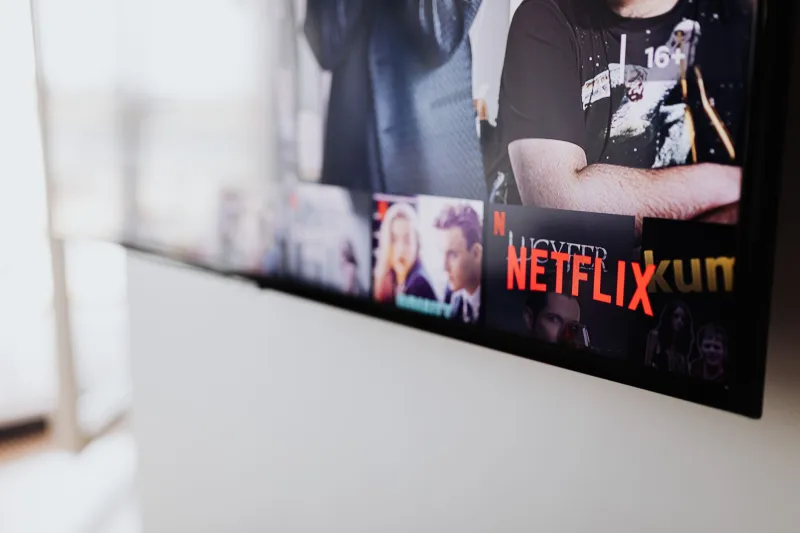
It gets more specific than that. Platforms invest heavily in what's called "artwork personalization" — the practice of showing different thumbnail images for the same title to different users based on their viewing history. Netflix has been open about this. If you watch a lot of action content, you might see a fight scene thumbnail for a movie that's actually a quiet romantic drama. If you respond to celebrity faces, the algorithm will lead with a close-up of the most recognizable cast member.
This isn't inherently evil, but it creates a system where your first impression of a show is engineered to manipulate your click behavior rather than accurately represent what you're about to watch. You click, you feel misled, you bail after fifteen minutes. The algorithm logs that as low retention and buries the title further. The show gets punished for the platform's own deceptive marketing.
Niche productions and indie projects suffer the most here. They often don't have a marquee name to plaster on a thumbnail. Their subject matter doesn't map neatly onto a genre category. They can't be reduced to a single provocative image. So the system, which rewards legibility and familiarity, systematically disadvantages anything genuinely new.
What the Platforms Aren't Telling You
Most major streamers don't publish their full recommendation logic, and for good reason — the details aren't flattering. What we do know, pieced together from industry reporting and the occasional whistleblower, is that content libraries are effectively tiered. There's what the platform wants you to watch (high-budget originals they need to justify to shareholders, licensed hits they paid a premium for), and then there's everything else.
Shows in that second tier can technically be found, but they're rarely surfaced unprompted. They don't appear in the hero carousel at the top of your home screen. They don't get the promotional push that new releases receive. They exist in the library the way a book exists in a warehouse — technically accessible, practically invisible.
For independent creators who struck a licensing deal with a major platform, this is a brutal reality. Getting your film or series onto a streamer used to feel like the finish line. Now it's more like getting into a stadium where nobody tells you where the stage is.
So How Do You Actually Find the Good Stuff?
The honest answer is that you have to work around the algorithm, not with it. A few approaches that actually help:
Use external aggregators. Sites that pull critic scores and audience ratings across platforms — Letterboxd for films, TV Time for series, or even old-fashioned Rotten Tomatoes — give you a quality signal the platform's own interface won't. Search for what you want, then go find it on the service.
Dig into genre subcategories manually. Most platforms bury deep genre filters that their home screens never show you. On Netflix, for example, there are hundreds of micro-genre categories accessible through direct URL manipulation that you'd never find through normal browsing. It sounds nerdy, but it works.
Follow critics and curators you trust. Human editorial judgment is still the best antidote to algorithmic homogenization. Film Twitter, Substack newsletters dedicated to streaming recommendations, and podcast hosts who cover television can surface things no recommendation engine would ever show you.
Resist the top ten. Every platform prominently displays a "trending" or "top ten" list, and it's almost always the worst possible place to find something worth your time. Those lists reflect mass behavior, not quality. Treat them like the airport bestseller rack — fine if you want something easy, but not the place to find something that'll stick with you.
The Bigger Picture
This isn't just a consumer inconvenience. It's a structural problem for the creative ecosystem. When platforms built to distribute content also control discovery, they effectively become gatekeepers with the power to make or break a production based on algorithmic favorability rather than artistic merit. That power is almost always exercised in favor of the familiar, the safe, and the commercially legible.
The shows that challenge you, that take creative risks, that represent voices and perspectives you haven't seen before — those are exactly the shows the current system is least equipped to promote. And that should bother anyone who actually cares about television as an art form, not just a time-filler.
At Cima7, we think streaming bold means watching bold — not just clicking whatever the algorithm drops in front of you. The best content is out there. You just have to know the system is designed to keep you from finding it.